
Talent Studio 2026:
From Artistic Identity to Professional Action
Between April and September, 27 musicians took part in Althafen Foundation’s Talent Studio, combining expert insight, mentorship and practical project development. Their reflections reveal greater professional clarity, new connections and concrete steps towards shaping their careers.
27
Emerging classical musicians
26
Expert sessions delivered
10
Workshops
€15.265
Awarded through opportunity grants
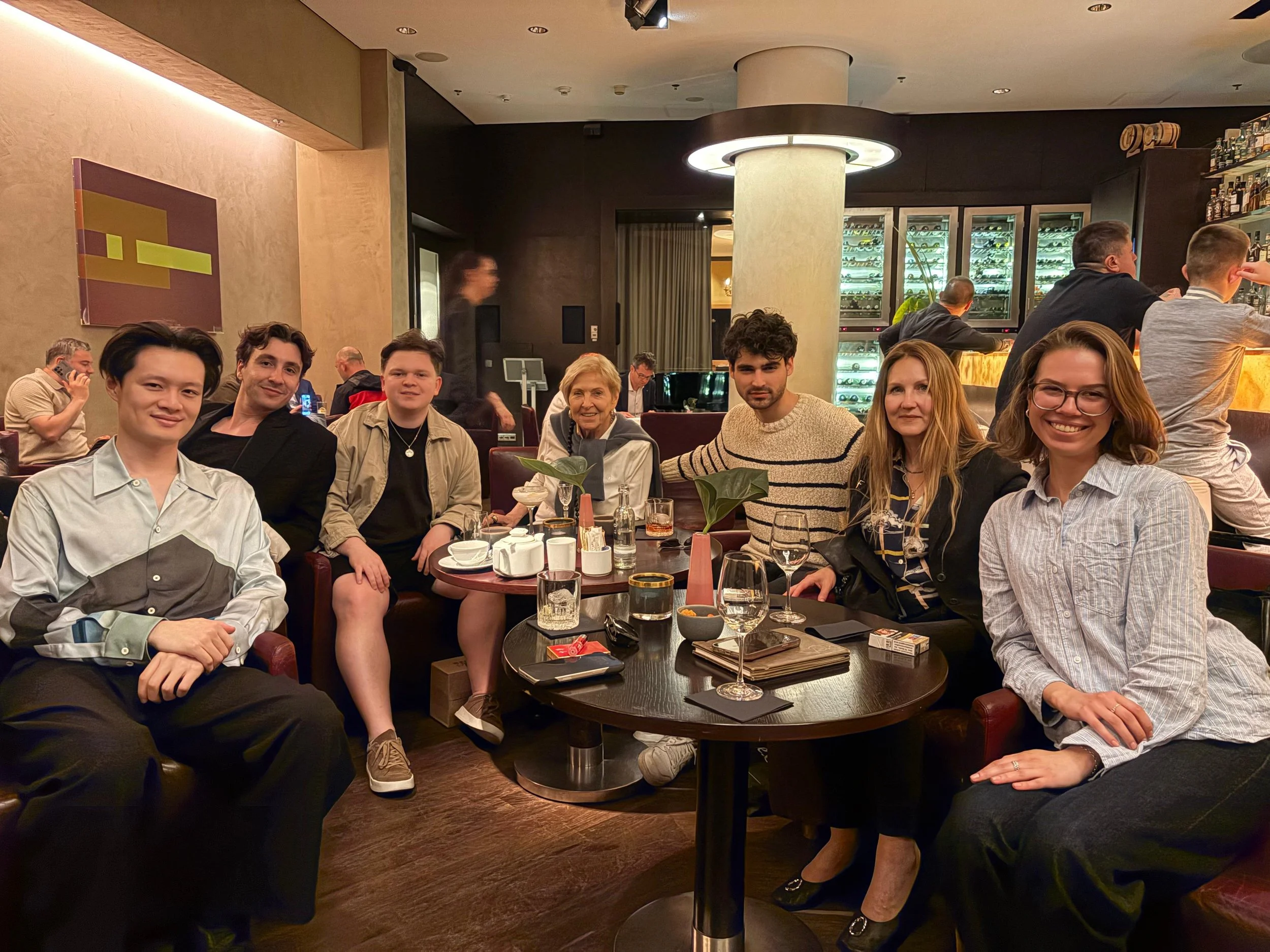
How does an artist turn musical ambition into a sustainable professional life? Alongside artistic development come questions about identity, the workings of the industry, communication, funding and the practical demands of bringing a project to life.
Talent Studio creates a space to work through these questions. Its 2026 cohort brought together pianists, violinists, cellists, conductors, an accordionist, a saxophonist, a harpist and a soprano. Through a tuition-free programme of shared learning and individual support, participants explored how to define their work, communicate its value and take greater responsibility for their professional direction.
about the program
connecting artistic vision with professional practice
The April–September programme combined 26 expert sessions with workshops, mentorship, advisory support and peer exchange. Artistic identity, industry understanding, career strategy, project development and professional communication formed interconnected parts of the learning process.
Participants could bring questions from their own working lives into the programme and connect the discussions to their projects. Mentorship offered individual perspective, while the cohort provided a setting for exchanging ideas and learning from one another’s experience.
greater clarity about identity & direction
The programme’s exit evaluation received responses from 22 of the 27 participants, representing 81.5% of the cohort. Among those respondents, all reported greater clarity about their artistic identity. 95.5% also reported greater clarity about their three-year direction, and the same proportion reported greater clarity about where their work belongs.
Across 16 professional dimensions, average self-assessment scores rose from 5.45 to 7.80 out of 10. The strongest reported gains were in project development, industry understanding, fundraising and philanthropy, PR and media, and career strategy.
These findings reflect participants’ own assessments at the end of the programme. They offer an early picture of increased confidence and professional understanding; longer-term career developments will unfold beyond this initial evaluation.
turning ideas into concrete steps
The evaluation also recorded practical progress. Of the 22 respondents, 86.4% reported developing a project during Talent Studio. 15 created a project one-pager, 14 developed a project proposal, 13 created a budget and 11 created a timeline.
Participants also reported steps towards professional engagement: nine applied for funding, seven of them received it, and eight secured a professional opportunity. These activities show how reflection and planning translated into proposals, applications and opportunities during the programme.
Alongside this work, Althafen Foundation awarded €15,256 in Opportunity Grants, adding direct financial support to the programme’s educational and advisory resources.
a community of peers
Professional development also depends on the people with whom artists can exchange ideas, ask questions and build trust. In the exit evaluation, 77.3% of respondents reported establishing at least one meaningful professional relationship within the cohort.
Respondents rated overall programme quality at 9.05 out of 10 and mentorship match quality at 9 out of 10.
looking ahead to berlin
The next milestone is the Talent Studio Final Weekend in Berlin, scheduled for 10–13 December 2026.
It will bring the cohort together in person as the programme moves towards its final stage. Outcomes relating to the weekend will be reported after its completion.
The April–September phase has already produced a clear set of foundations: more developed projects, stronger professional understanding and relationships within the cohort. For Althafen Foundation, these are central to supporting artists as they build careers shaped by their own artistic priorities.
a few memories from talent studio 2026
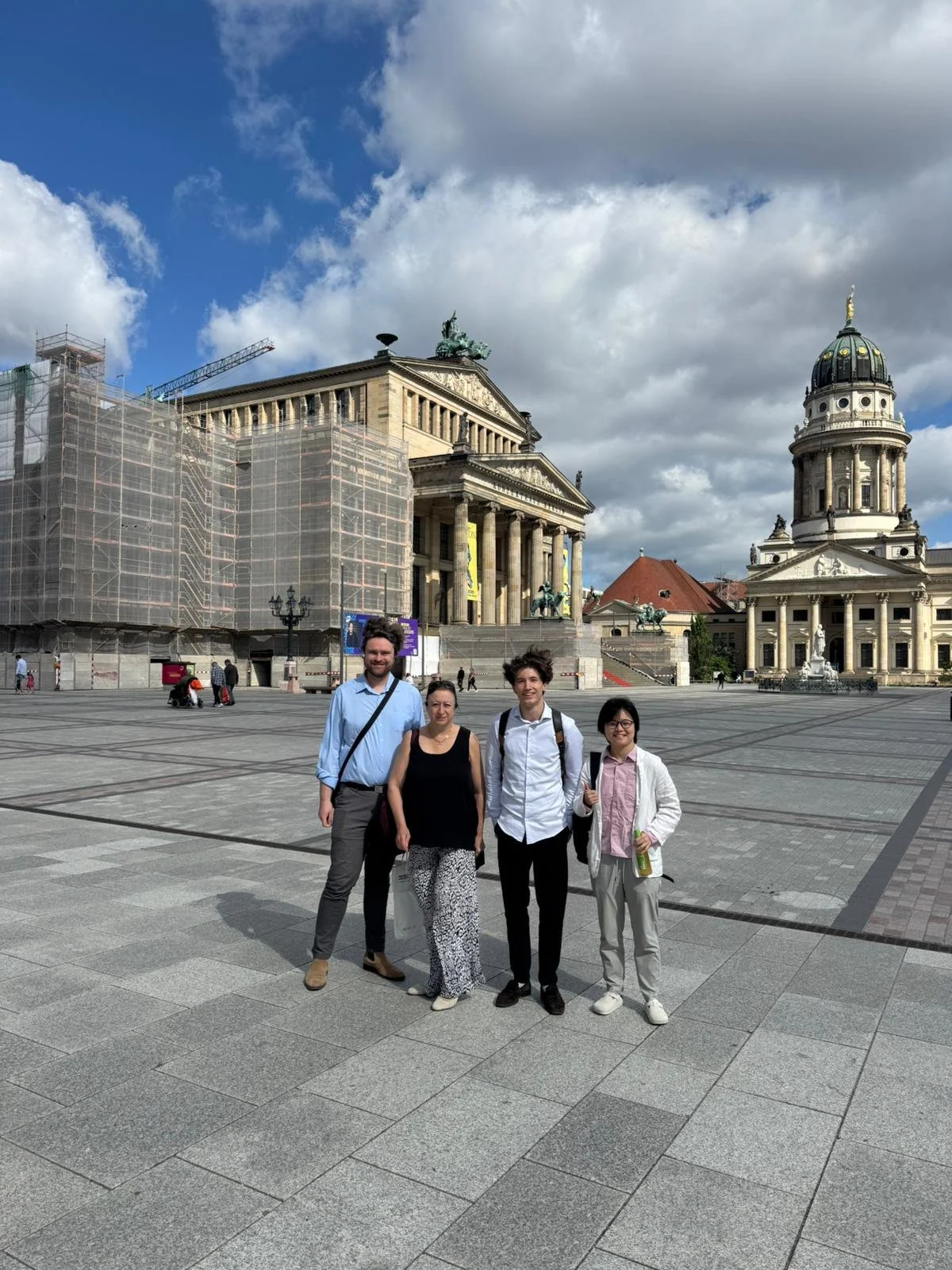
Our artists Chunyi Zhao and Leonhard Kreutzmann together with Maestro Simone Young.
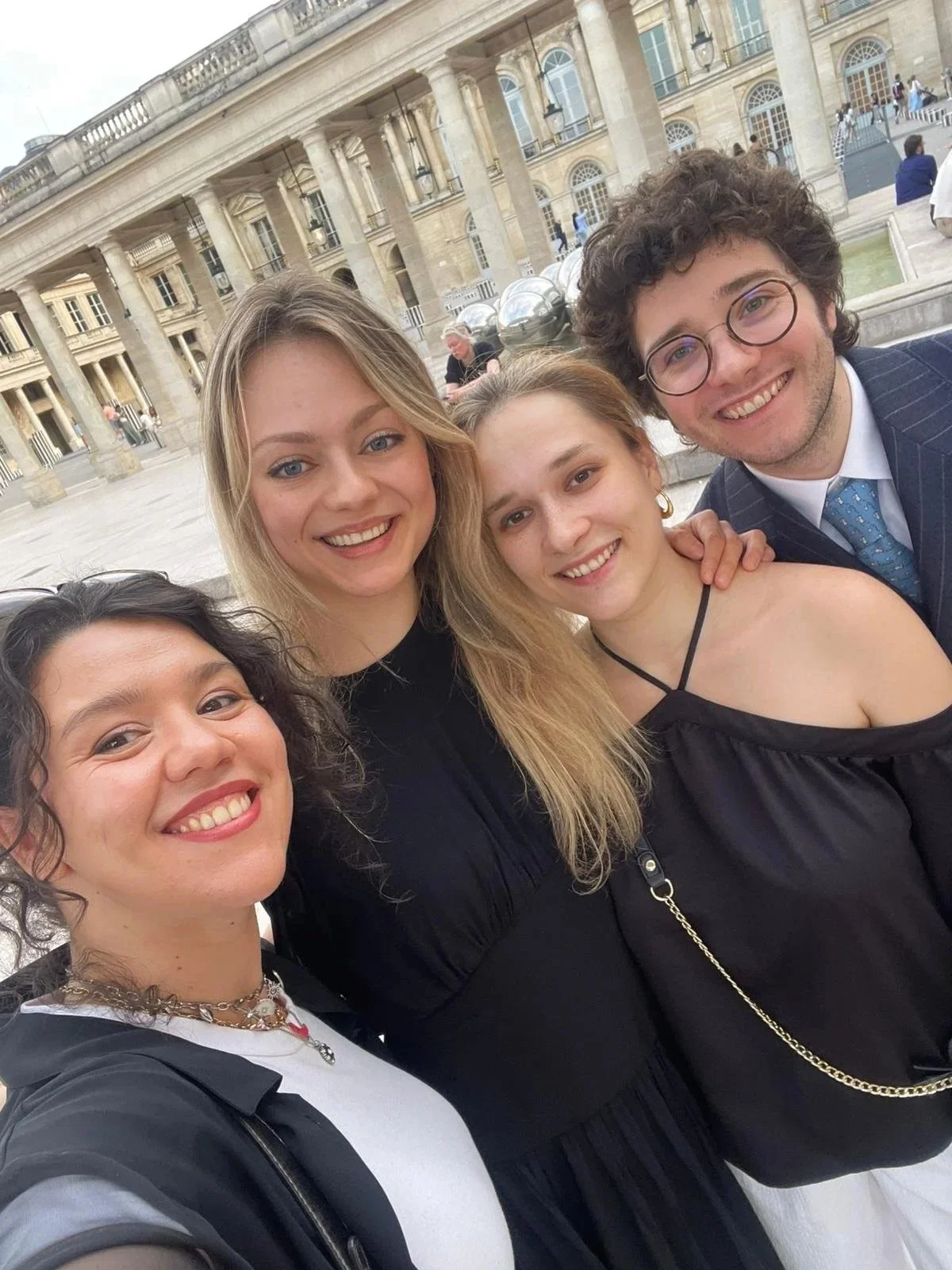
From the left: Mia Mandineau, Elžbieta Liepa Dvarionaitė, Anastasiya Magamedova, Johannes Gray.
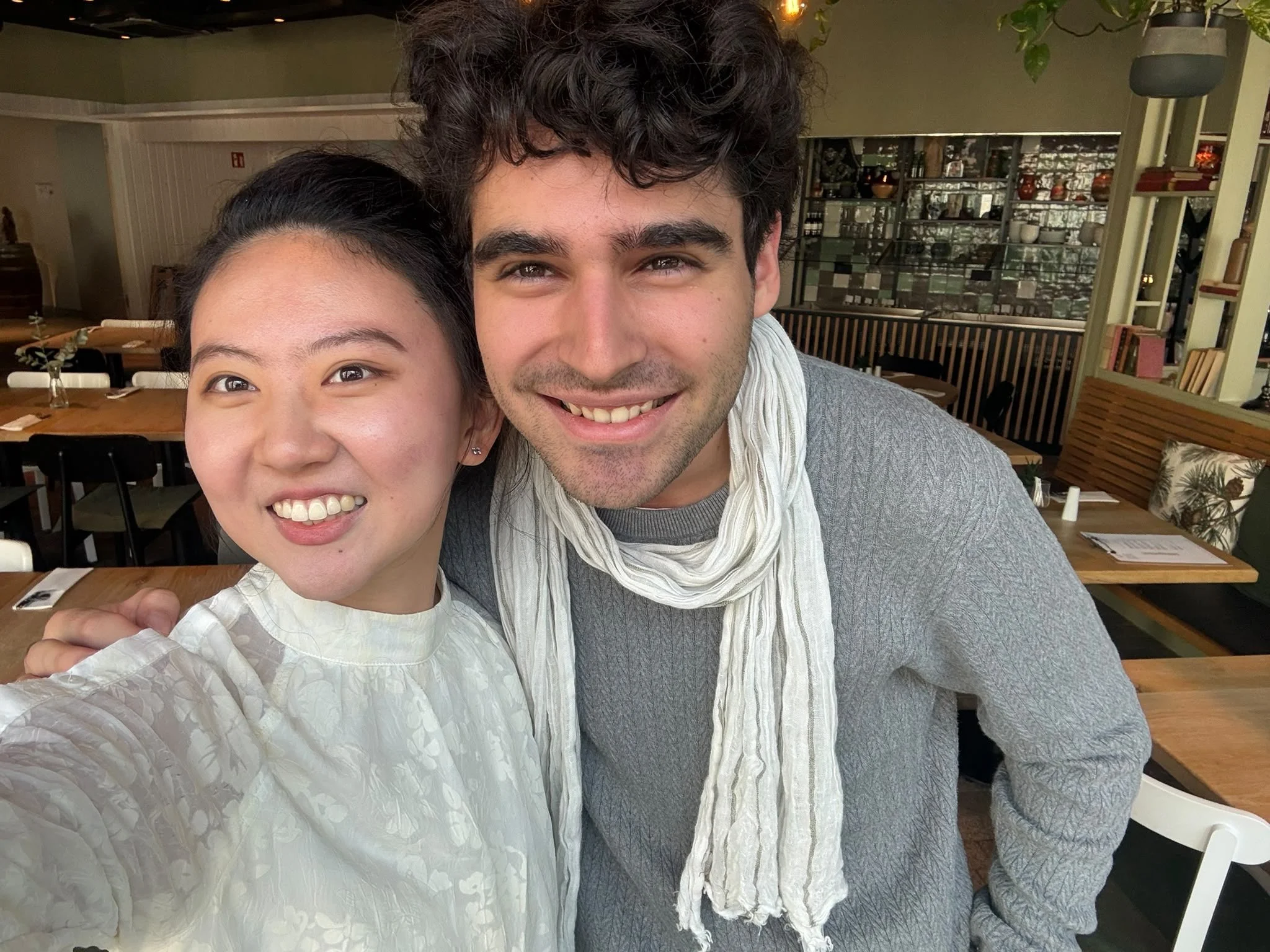
Jiaxun Yao together with Julian Kainrath.
participant voices
“The Althafen Foundation has created a unique ecosystem where we, as young artists, have the opportunity to learn from and exchange with experts while shaping our artistic development.”
Violinist
“I now feel that I have the knowledge, the tools, and, most importantly, the confidence to move forward and create the career and artistic life I want for myself.”
Saxophonist
“What we have learned will help us build our careers more effectively and efficiently, with a clearer sense of the path and structure behind what we do as artists.”
Pianist
“Talent Studio creates meaningful connections, encourages us to think differently about our careers, and reminds us that we do not have to navigate everything alone.”
Violinist
“The music industry felt a bit demystified, with its inner workings opened up by the experts in the field and translated into practical tools we could use ourselves.”
Cellist
“Talent Studio opened my eyes to a much more practical approach to my life as a young artist. It answered many of my questions, especially the ones I didn’t know I had.”
Pianist
notes
Evaluation figures are based on 22 responses to the Talent Studio 2026 Exit Evaluation. Programme delivery and Opportunity Grant figures are drawn from Althafen Foundation’s programme records.